The Fifteen Portraits
Fifteen leaders. One architecture of honor.
The framework follows honor across three scales: the person, the organization, and the institution. These fifteen historical portraits make that architecture visible. Read the rows by book, the columns by lineage.
The Fifteen Portraits
The leaders behind the framework.
The Fourth Turning Leader follows honor across three scales. Honor Under Pressure asks whether a leader has a code strong enough to survive crisis. Honor at Scale asks whether that code can become a culture that holds when the leader is absent. Honor in Command asks whether the culture can acquire and exercise power without being corrupted by it.
The fifteen historical portraits make that architecture visible: five elements of honorable leadership, Line, Restraint, Test, Growing Edge, and Transmission, reappearing in the person, the organization, and the institution. Read the rows by book. Read the columns by lineage.
Book One · Honor Under Pressure
The person.
Hold → Restrain → Test → Grow → Embed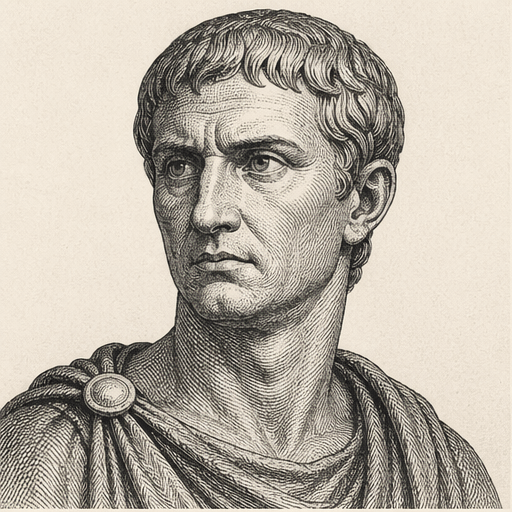
The Line
Cato the Younger
Holding
The Line: hold the boundary pressure is trying to erase.
Shadow: Rigidity
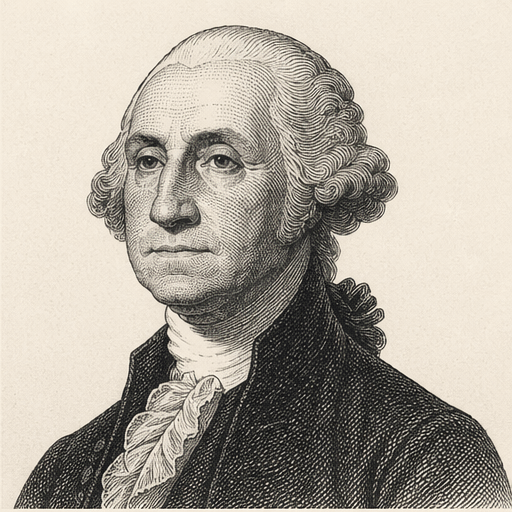
The Restraint
George Washington
Restraining
The Restraint: refuse the power whose use would corrupt the precedent.
Shadow: Over-restraint
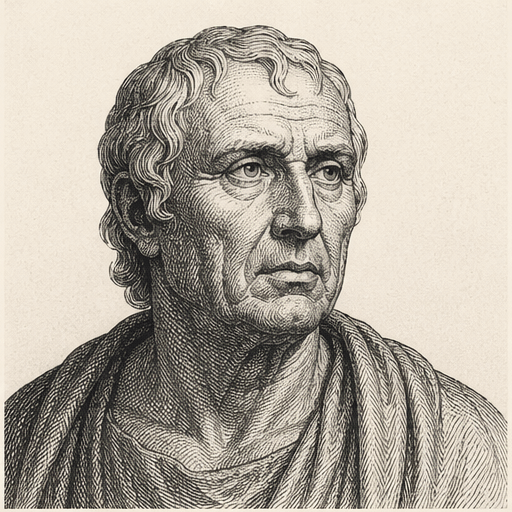
The Test
Seneca
Eroding
The Test: detect when intelligence has begun rationalizing the crossing.
Shadow: Rationalization
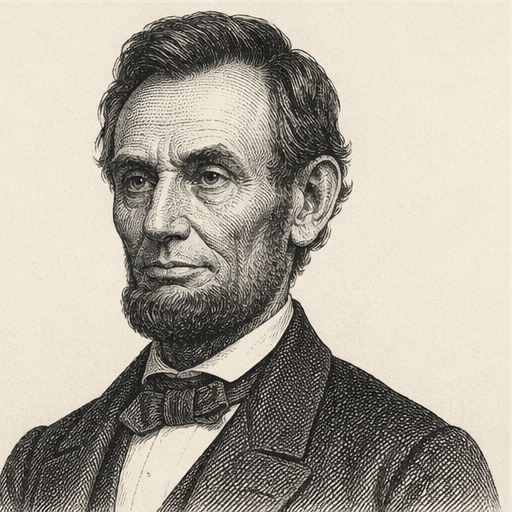
The Growing Edge
Abraham Lincoln
Growing
The Growing Edge: let pressure enlarge the moral framework.
Shadow: Drift disguised as growth
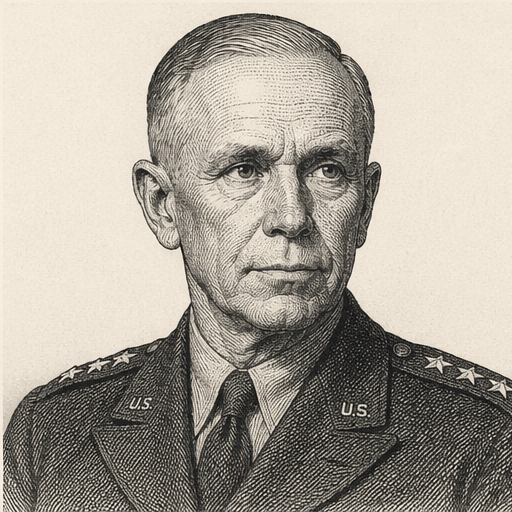
The Transmission
George Marshall
Embedding
The Transmission: build people and standards that hold without you.
Shadow: Bureaucracy and ossification
Book Two · Honor at Scale
The organization.
Codify → Measure → Transform → Sustain → Embed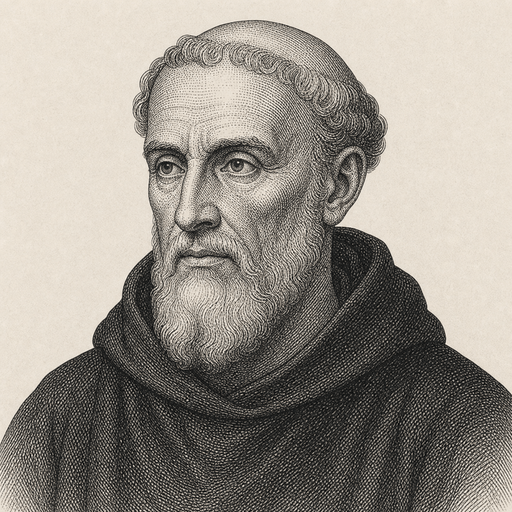
The Organizational Line
Benedict of Nursia
The Founding Code
The Founding Code: turn belief into a daily organizational rule.
Shadow: Rigidity
The Visible Restraint
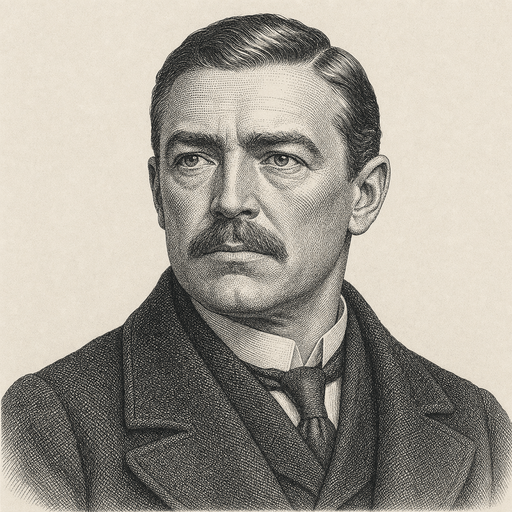
Ernest Shackleton
The Resilient Crew
The Resilient Crew: make restraint visible and hold the people together after the mission fails.
Shadow: Comfort
The Culture Test
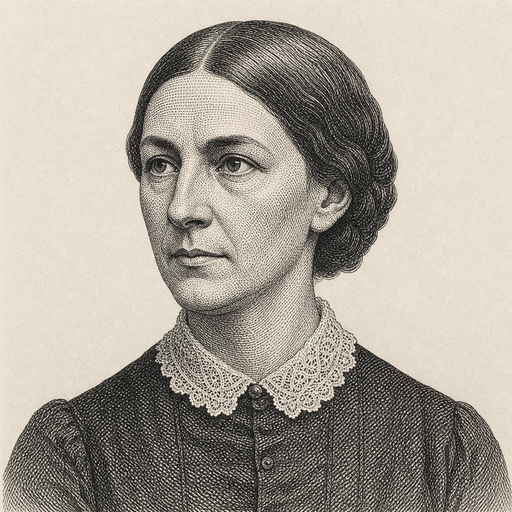
Florence Nightingale
The Unifying Standard
The Unifying Standard: make the gap between claimed and actual culture visible.
Shadow: Metric Tyranny
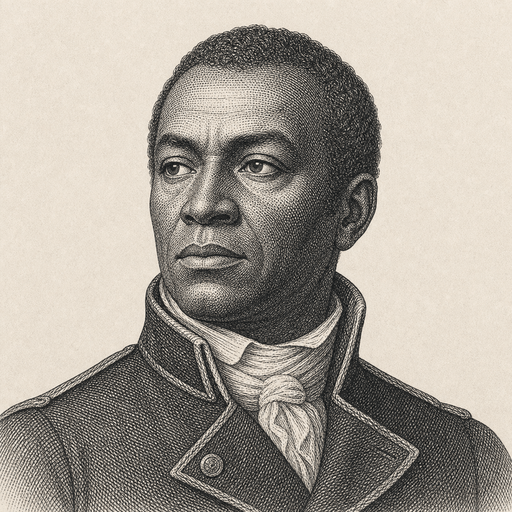
The Growing Edge
Toussaint Louverture
The Transforming Inheritance
The Transforming Inheritance: remake an inherited order without denying its contradictions.
Shadow: Dependency
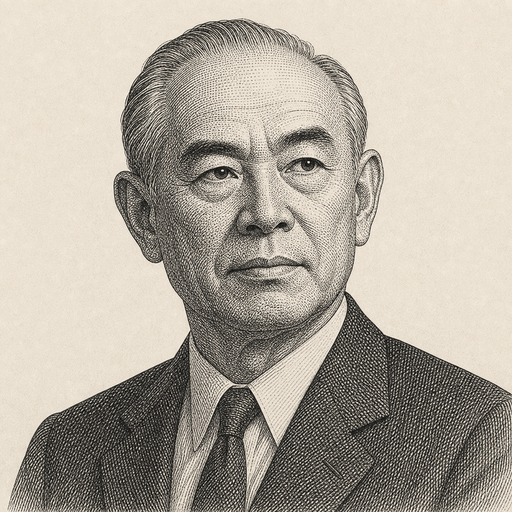
The Transmission Architecture
Soichiro Honda
The Embedded System
The Embedded System: engineer philosophy into the way work learns and decides.
Shadow: Autopilot
Book Three · Honor in Command
Institutional power.
Refuse → Repent → Account → Surrender → Refound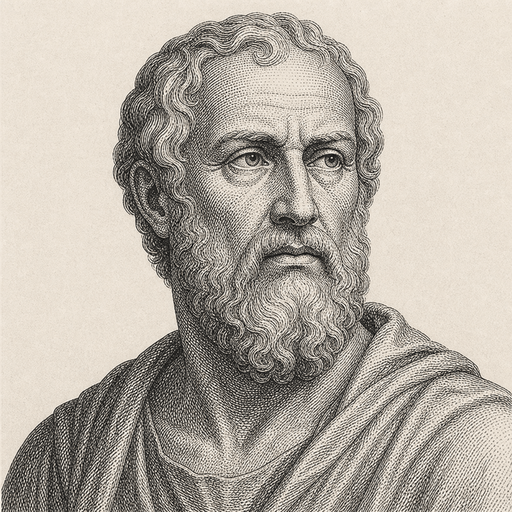
The Power Line
Solon of Athens
The Refused Crown
The Refused Crown: place power beneath the line and walk away.
Shadow: Abdication
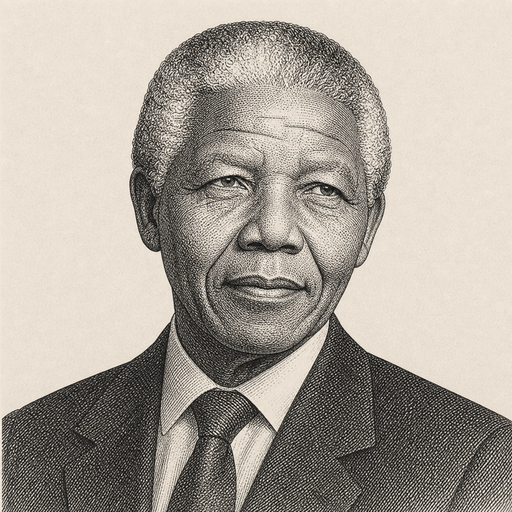
Scheduled Surrender
Nelson Mandela
The Surrendered Advantage
The Surrendered Advantage: constrain victory and relinquish power on schedule.
Shadow: Indispensability
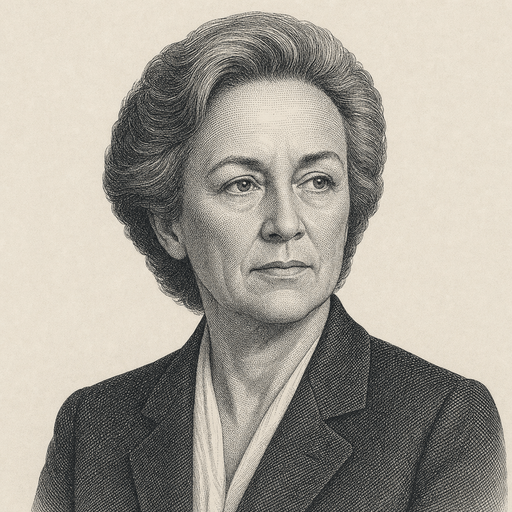
The Funded Independent Test
Katharine Graham
The Accountable Power
The Accountable Power: protect an independent test strong enough to confront the state.
Shadow: Coziness
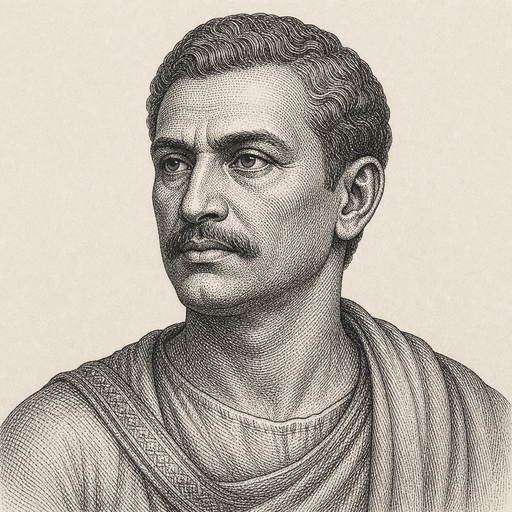
The Reckoning and Growing Edge
Ashoka
The Repentant Empire
The Repentant Empire: force power to reckon publicly with what it has done.
Shadow: Evaporation
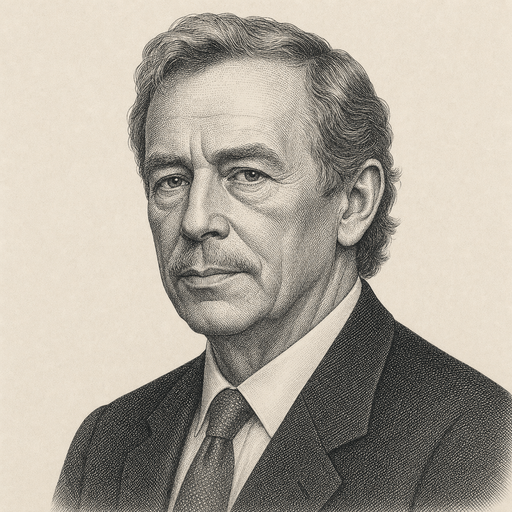
The Transmission of Moral Authority
Václav Havel
The Refounded Legitimacy
The Refounded Legitimacy: turn moral authority into institutions that can survive the founder.
Shadow: Charisma
Find the mode this moment requires of you.
Free · ~5 minutes · no credit card