The Framework · Five Modes

The Five Modes of Fourth Turning Leadership.

These are not personality types. They are situational responses — the mode the moment requires, drawn from five leaders who faced the edge of institutional collapse and held.

Each mode is meant to be paired with a working honor code for leaders — without that anchor, the strength collapses into its shadow under pressure. Take the Five Modes leadership assessment to see which mode the current pressure is calling for and which shadow your code most needs to defend against.

I
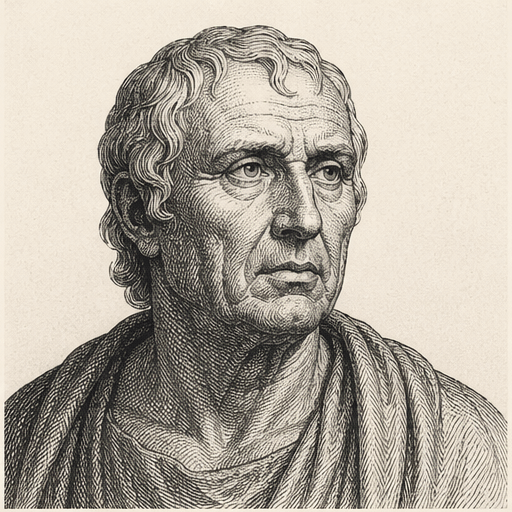
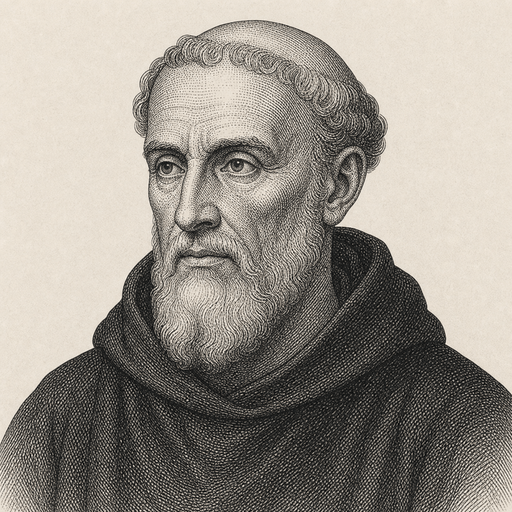
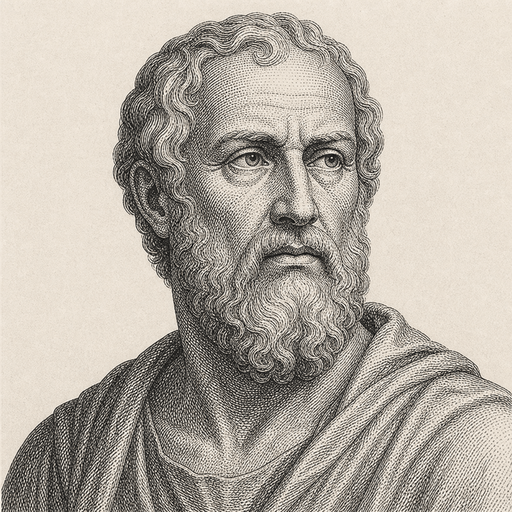
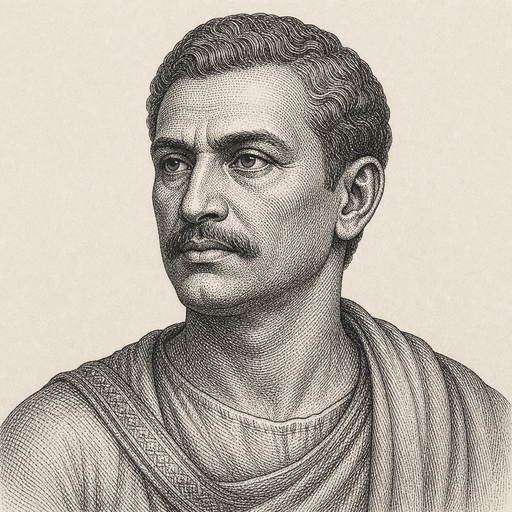
Woodcut portrait of Cato the Younger
Cato the Younger
Rome · Late Republic
Historical anchor for the Holding mode
IFirst position in the arc

Holding

What this mode sees

The line that must not move. The non-negotiable at the center of the decision.

When it is needed

When the pressure is to compromise what cannot be compromised. When the institution is asking you to trade something that, once traded, cannot be recovered.

Shadow Risk

Absolutism — the code becomes a wall that shuts out new information. Holding becomes rigidity when the leader can no longer distinguish between principle and ego.

Diagnostic Question

What is the one thing you would not do — even if the organization asked you to, even if it cost you the role?

Read the full Holding mode analysis
II
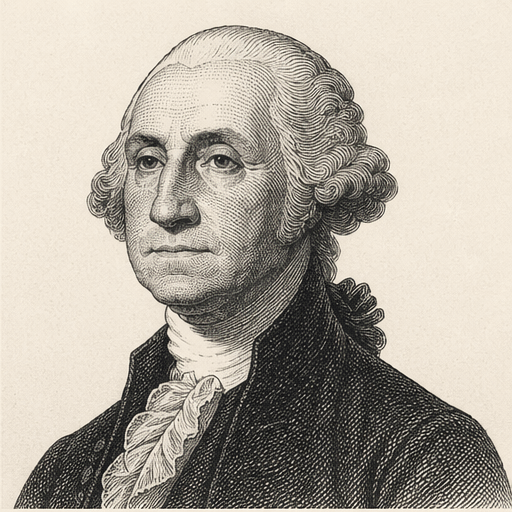
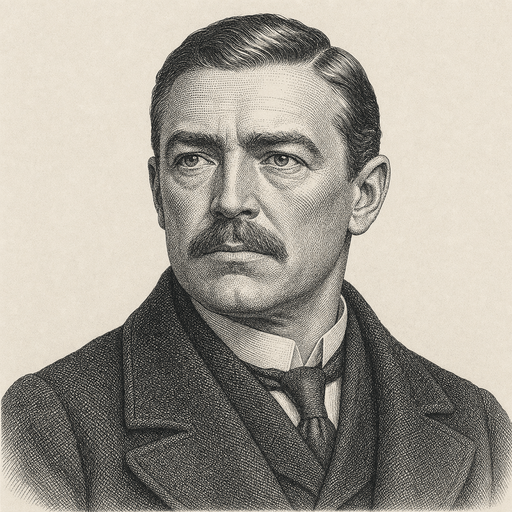
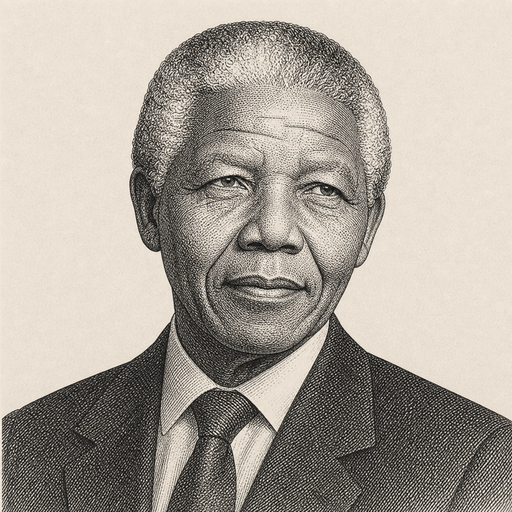
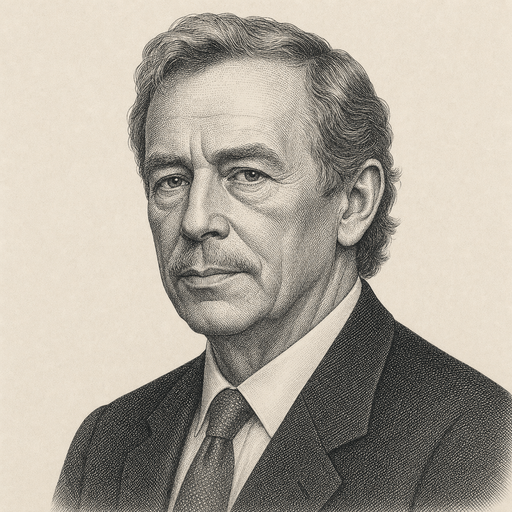
Woodcut portrait of George Washington
George Washington
First American Turning
Historical anchor for the Restraining mode
IISecond position in the arc

Restraining

What this mode sees

The power that must not be taken, even when it is legitimately available.

When it is needed

When you have the authority, the leverage, or the justification to act — and the right move is to not. When restraint is the act that preserves something more important than the immediate gain.

Shadow Risk

Passivity — the confusion of withdrawal with wisdom. The restraining leader's shadow is inaction dressed as integrity, distance that looks like discipline.

Diagnostic Question

Where are you using restraint as a principle — and where are you using it as an excuse?

Read the full Restraining mode analysis
III
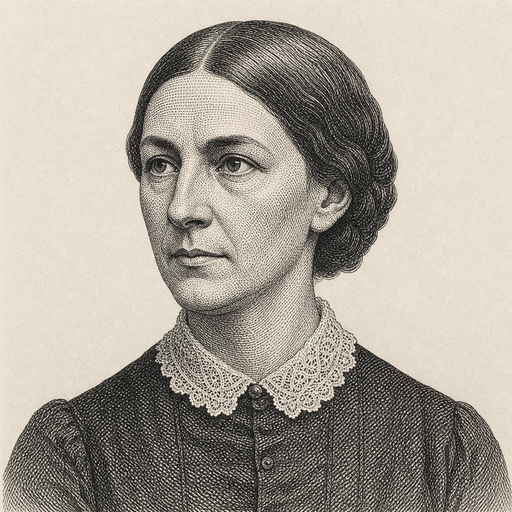
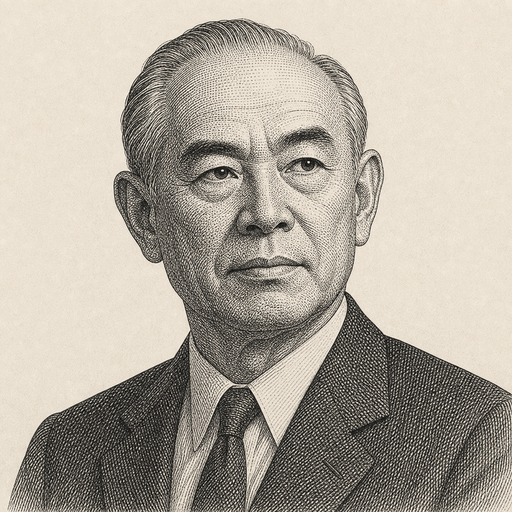
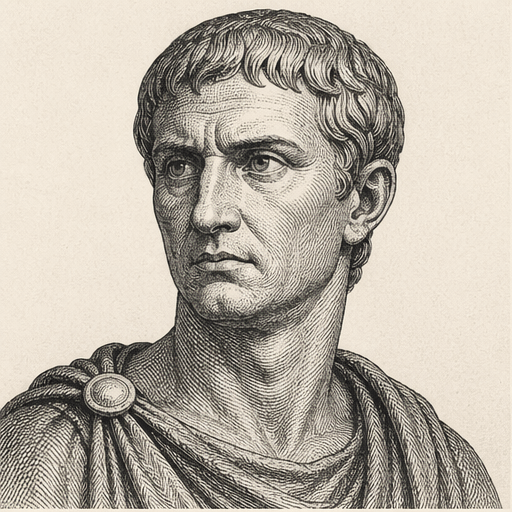
Woodcut portrait of Seneca the Younger
Seneca
Nero's Court
Historical anchor for the Eroding mode
IIIThird position in the arc

Eroding

What this mode sees

The system that cannot be abandoned without abandoning the people inside it. The value of staying inside an imperfect structure.

When it is needed

When every option involves a trade. When the choice is not between right and wrong but between worse and less worse — and the leader must make the trade honestly, with an open ledger.

Shadow Risk

Rationalization — the sharpest justification for the wrong crossing. The eroding leader keeps two ledgers: the one that shows the cost and the one that explains it away.

Diagnostic Question

What compromises are you currently making — and are you accounting for them honestly?

Read the full Eroding mode analysis
IV
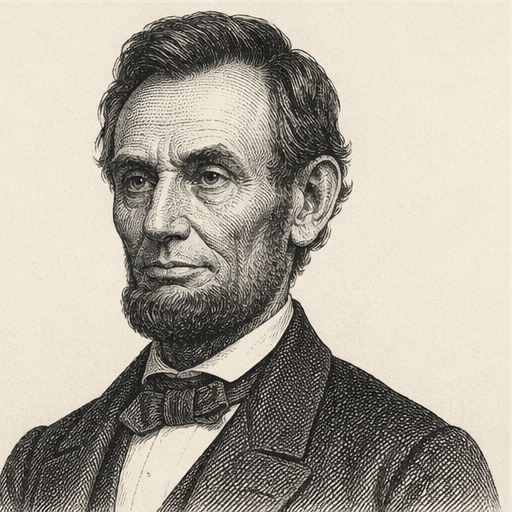
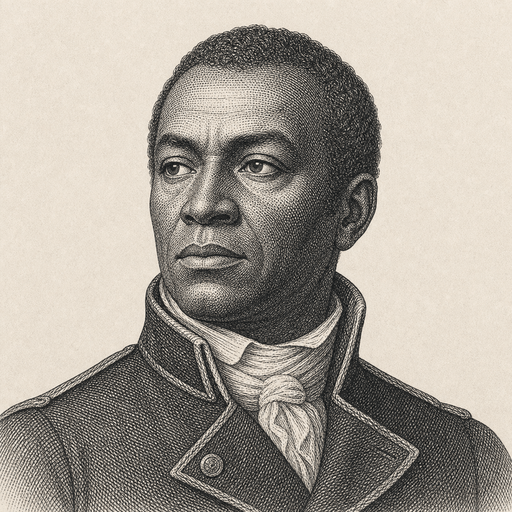
Woodcut portrait of Abraham Lincoln
Abraham Lincoln
Second American Turning
Historical anchor for the Growing mode
IVFourth position in the arc

Growing

What this mode sees

The moral weight the original code is not yet big enough to carry. What the crisis is revealing about what you actually believe.

When it is needed

When the pressure is changing you — and the question is whether that change is growth or drift. When the original position was right at the time and wrong now.

Shadow Risk

Drift — adaptation without principle. The growing leader's shadow is change that looks like development but is actually just accommodation to pressure.

Diagnostic Question

In what ways has this season of pressure made you more capable — and in what ways has it just made you more comfortable with compromise?

Read the full Growing mode analysis
V
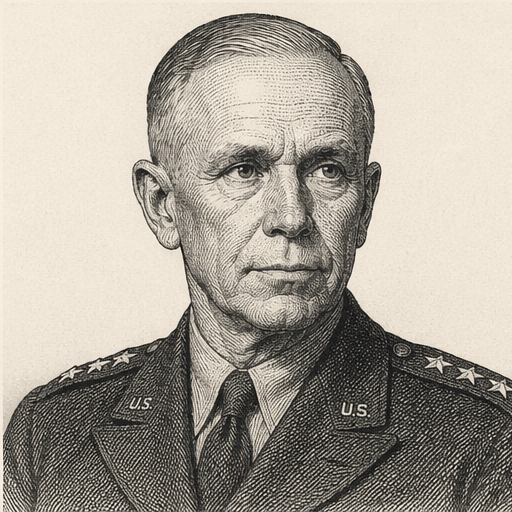
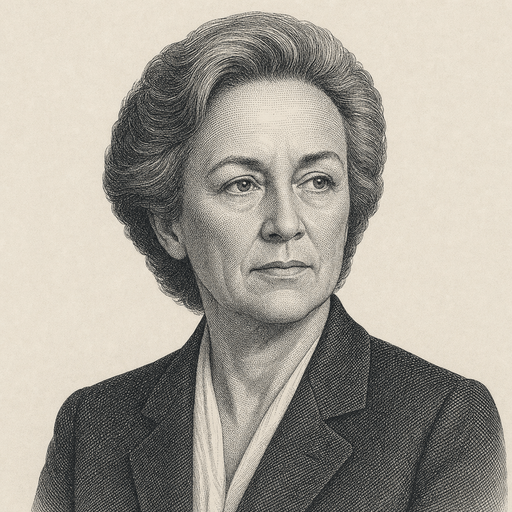
Woodcut portrait of George C. Marshall
George Marshall
Third American Turning
Historical anchor for the Embedding mode
VFifth position in the arc

Embedding

What this mode sees

The institution or person who must carry the code forward after the leader leaves.

When it is needed

When the leader's highest contribution is not action but architecture. When the task is to build something that works without you.

Shadow Risk

Institutionalism — process substituted for the direct action the moment requires. The embedding leader's shadow is building systems around flawed assumptions that then prove more durable than the wisdom.

Diagnostic Question

What are you building that will still be operating with integrity after you are gone?

Read the full Embedding mode analysis
The Mode Finder

Find which mode your current pressure is calling for.

A 25-question diagnostic that surfaces your dominant mode, your secondary mode, and the shadow most likely to take over under load. Then move into the Leader Lab to build the corresponding honor code, or bring the work to your team through For Organizations.