The deepest tier of the practice.
The Leader Lab is the work on yourself. The Culture Lab is the culture you run. The Command Lab is the institution you steward: its legitimacy, its succession, its refounding, and the honorable surrender of power. It runs the same arc at the widest scale, in public view, on the record. Included in your membership.
Six tools, at institutional scale. One Command Packet at the end.
The same architecture as the Leader Lab, applied to power itself: legitimacy, succession, and refounding, assessed across three fronts (customers, regulators, and successors) and kept on the record.
Show the work, in public.
An institution keeps or spends legitimacy with every hard call. The Legitimacy Manager lets it publish a record, served at a public page anyone can read without logging in. It is how an institution proves it did not quietly rewrite its own standard under pressure.
Name the line
The one thing the institution will not trade, with a clarity check before it is bound.
Bind it in public
The line is published and given a guardian office with independent standing.
Spend or keep
Every hard call reasons about whether the action keeps legitimacy or spends it.
Put it on the record
A tamper-evident registry logs the exceptions, and a public record shows the work.
Schedule the handover
Succession and refounding become deliberate acts, on a date, not accidents.
Five leaders who held power under pressure.
Each names a way an institution survives an age of upheaval: a refounding, a public record, a legitimacy bet, a handover, a truth standard.
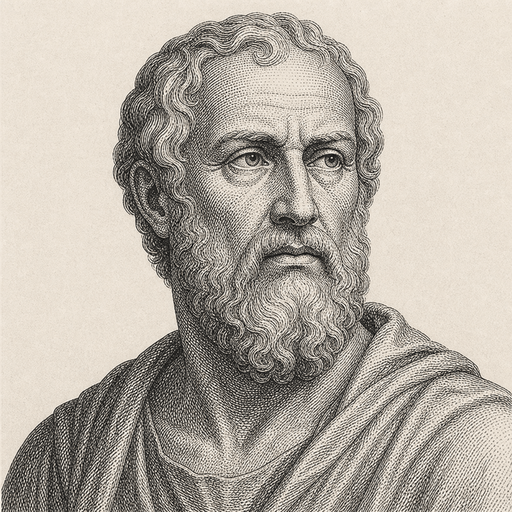
The Refounding
Solon
Rewrote the constitution of Athens, then left the city so the new order could not be bent back toward him.
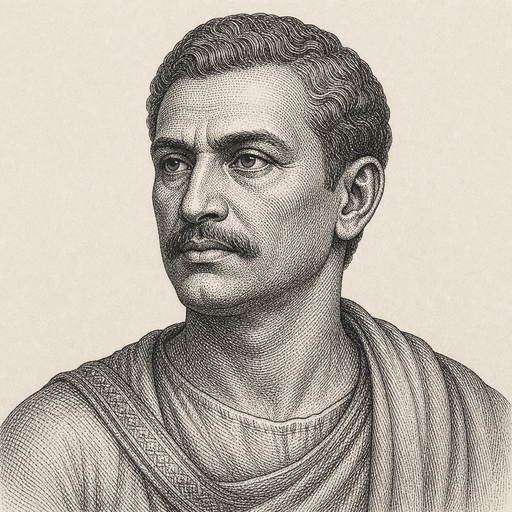
The Public Record
Ashoka
Renounced conquest and carved his standard into stone, putting the terms of his own rule on the public record.

The Legitimacy Bet
Katharine Graham
Staked the paper’s legitimacy on publishing what power did not want published, and kept the institution honest.

The Handover
Nelson Mandela
Held a fracturing nation together, refounded it, and then handed off power on schedule rather than keeping it.

The Truth Standard
Václav Havel
Carried moral authority into institutional power and governed by the standard he had held from outside it.
The deepest tier of the same practice.
The Leader Lab, the Culture Lab, and the Command Lab are one practice at three scales. Your membership unlocks all three, so you can go from yourself, to the culture you run, to the institution you steward, without buying anything twice.
Steward the institution before the crisis writes the terms.
Most leaders start with the free Mode Finder. When the result names a real gap, your membership is where you build the code, run the culture, and hold the institution on the record.