Framework / Restraining Mode
Restraining
The Quiet Governor
The Restraining leader understands that legitimacy is more durable than force. Every time Washington declined power he could have taken, he increased the power of every future holder of the offices he left intact. Restraint is a long game, and it wins.
Historical anchor: George Washington, 1732–1799
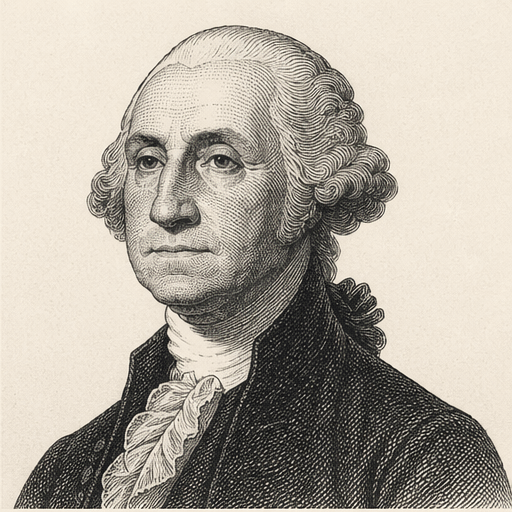
"Power restrained is power amplified. Washington understood that what he chose not to do defined him as fully as what he did."
What is the Restraining mode?
The Restraining mode is the leadership discipline of declining power, opportunity, or force you have the standing to use. Anchored in George Washington's repeated refusals, at Newburgh, at the threshold of a third term, at every moment expansion was offered, it operates on the conviction that legitimacy compounds when authority is voluntarily withheld. Its shadow risk is withdrawal: confusing distance with discipline, doing nothing while calling it restraint.
When the Restraining mode is called for
The Restraining mode is called for when you have the authority, the leverage, or the justification to act, and the right move is not to. When the environment is rewarding expansion and the harder discipline is to hold back. When people around you are confused by your restraint because they see the opportunity clearly.
What the Restraining mode sees clearly
The Restraining leader sees that legitimacy is more durable than force. That power voluntarily withheld creates a different kind of authority than power exercised. They see the long game, the institutions, the successors, the precedents, when others see only the immediate gain.
What the Restraining mode may miss
The Restraining leader can miss the moments that require action. Restraint practiced as a general policy becomes an excuse: a confusion of distance with discipline, of withdrawal with wisdom. The shadow is the leader who mistakes doing nothing for holding the code.
Shadow risk: Over-restraint
Over-restraint is declining to act when responsibility actually requires decisive intervention. The restraining mode becomes an excuse for inaction, confusing withdrawal with wisdom and distance with integrity, mistaking doing nothing for holding the code.
Historical anchor: George Washington
In 1783, George Washington walked into a room full of officers prepared to overthrow the government he had spent eight years building. The Continental Army was unpaid, betrayed by Congress, and ready to follow him to power. Washington reached for his glasses. 'Gentlemen, you will permit me to put on my spectacles,' he said, 'for I have not only grown gray but almost blind in the service of my country.' The conspiracy dissolved. Not because of the argument he made, but because of what everyone in that room understood: this was a man who had already decided what he would not do with power. He refused the crown twice. He voluntarily gave up command. In doing so, he made the republic possible.
Restraining Mode is one of five behaviors named in the Five Modes framework, each anchored in a leader who carried the corresponding load under crisis. The mode is meant to be paired with a working honor code for leaders, so the strength does not collapse into its shadow under pressure.
Leadership diagnostic
Ask yourself: Am I restraining from this action because I have decided it is not mine to take, or because I am avoiding the discomfort of engaging? Is my restraint building something, or protecting me from something?
From Analysis to Practice
Work with your Restraining mode in the Leader Lab.
The Leader Lab takes the framework from reading to practice. Start with the Five Modes leadership assessment to confirm your dominant mode, then build the code components that correspond to it. Teams can do the same work together through For Organizations.