The Series
The Five Modes of Honor Under Pressure
Each book in the series draws on historical leaders who faced the specific challenge that book examines.
Book One — Honor Under Pressure
The Five Modes of Honor — leaders who built and kept their personal code under pressure
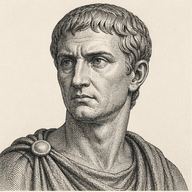
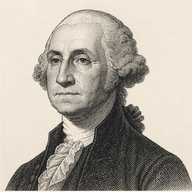
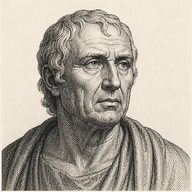
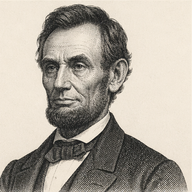
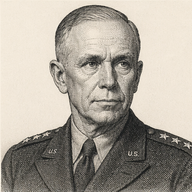
Book Two — Honor at Scale
Leaders who scaled honor into organizations and institutions — revealed as Book 2 nears publication
Leaders TBD
Book Three — Honor in Command
Leaders who made impossible decisions under command — revealed as Book 3 nears publication
Leaders TBD
What this means
Five historical leaders, five modes of honor under pressure
The Five Modes are not personality types. They are leadership behaviors that show up under sustained crisis pressure, drawn from five historical leaders who each carried a different kind of load: Cato during the fall of the Roman Republic, Washington at the founding, Seneca inside Nero's court, Lincoln through the Civil War, and Marshall through global war and reconstruction.
Each leader is a study in one specific mode — Holding, Restraining, Eroding, Growing, and Embedding. Each is also a study in the shadow that the same mode produces when it is overused, weaponized, or never tested under cost.
Why it matters under pressure
The history is the test, not the decoration
Leadership books usually use historical figures to ornament a present-tense argument. The Fourth Turning Leader uses them as stress tests. Each of the five leaders made decisions under conditions modern leaders have not yet had to face — and modern leaders are now closer to those conditions than they have been in eighty years.
The point is not to imitate Cato or Washington. The point is to identify which mode the present environment is asking the leader to develop, and which historical figure can serve as the most useful working reference.
How to use the series
Pair the diagnostic with one historical study
Most readers do not need all five at once. Take the Mode Finder, identify your primary mode and shadow, and read the corresponding leader study first. Cato for Holding. Washington for Restraining. Seneca for Eroding. Lincoln for Growing. Marshall for Embedding.
Then build the practice. The honor code framework and the Leader Lab are where the historical reading turns into present-day operating discipline.
Frequently asked
FAQ
- Why these five leaders?
- Each one led through a structural crisis, made decisions at material cost, and modeled a distinct mode of leadership under pressure. Together, the five span the range of crisis-era leadership behaviors the framework is built around.
- Are there more leaders coming?
- Yes. Book Two and Book Three of The Fourth Turning Leader series will introduce additional leaders focused on scaling honor into organizations and on impossible decisions under command. Specific figures are revealed as each book nears publication.
- Do I need to read the whole book to use the framework?
- No. The Mode Finder, Honor Code Builder, and Decision Room can be used on their own. The book deepens the historical reasoning behind the framework but is not a prerequisite to begin practicing it.
- What if my mode is not a clean match for any of the five?
- Most leaders carry a primary mode and a secondary mode. The assessment surfaces both, plus the shadow that tends to take over when the dominant mode is overused. Pure single-mode leaders are rare; the framework is designed for the realistic mix.